
Home
/
Events
Explanation
What is sensory processing?
Sensory processing is how the brain receives, organises, and responds to information from the senses:
Sight
Sound
Touch
Taste
Smell
Balance
Movement
Emotion
Sight
Sound
Touch
Taste
Smell
Balance
Feeling
Movement
Our Step by Step on
How it Works
Every moment, your senses send “input” to the brain. The brain sorts this input by priority so you can act.
01
VIP (Very Important to Process)
Keeps you safe (e.g., water is scalding → pull hand away).
02
Interesting
Needs attention (e.g., your phone chimes → you check it).
03
Useful
Helps you adjust smoothly (e.g., it starts to rain → bring in the washing).
04
Dull/Background
Repeats and fades out (e.g., ticking clock you stop noticing).
Our Step by Step on
How it Works
Every moment, your senses send “input” to the brain. The brain sorts this input by priority so you can act.
01
VIP (Very Important to Process)
Keeps you safe (e.g., water is scalding → pull hand away).
02
Interesting
Needs attention (e.g., your phone chimes → you check it).
03
Useful
Helps you adjust smoothly (e.g., it starts to rain → bring in the washing).
04
Dull/Background
Repeats and fades out (e.g., ticking clock you stop noticing).
Response Examples

Pinch your nose
→ because a smell is strong.
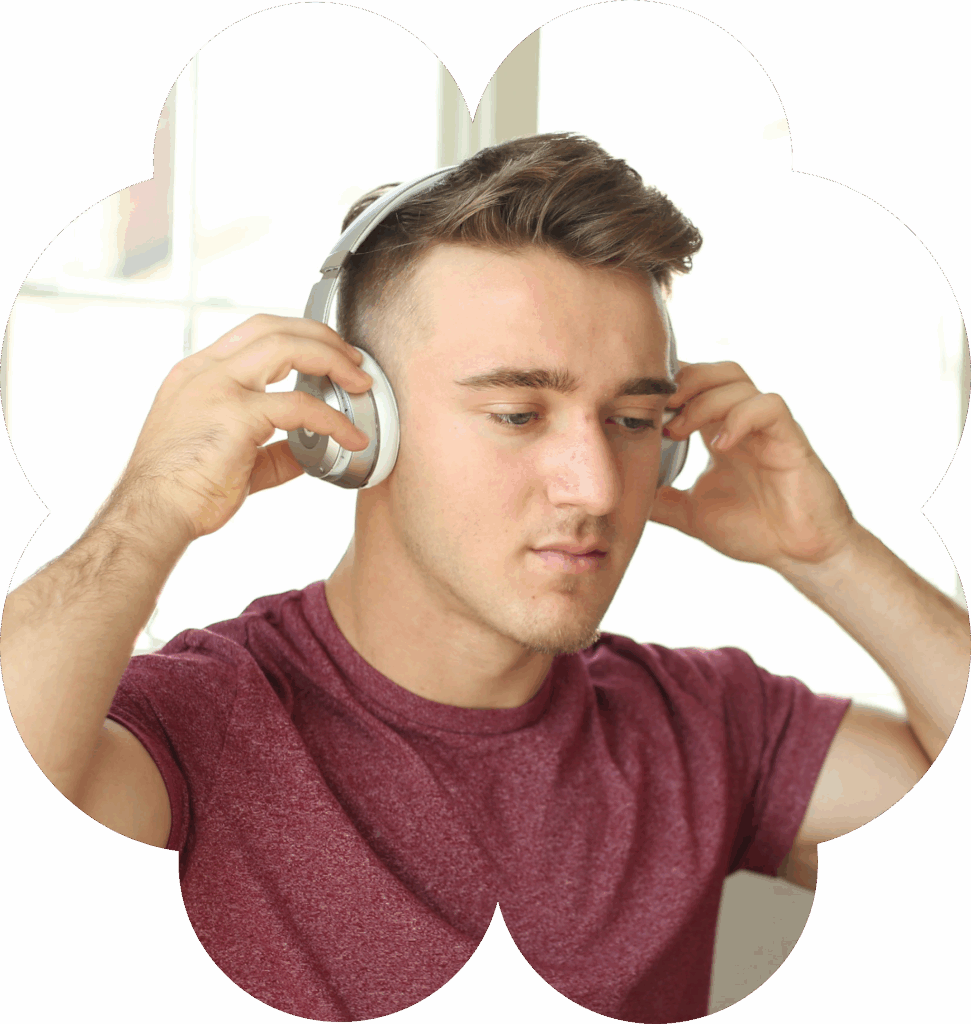
Turn music down
→ because sound is too loud.

Take a movement break
→ because your body needs input to focus.
Inside + outside worlds
We sense both the world around us (sight, sound, touch, taste, smell) and the world within us (balance, movement, interoception: heart rate, temperature, thirst, fullness, bathroom needs, and feelings that link to emotions).
Using the SPi-glasses
Looking through the SPi-glasses means noticing what someone is doing, why they might be doing it (sensory need), and which strategy could help. It shifts us from “fixing behaviour” to understanding and supporting needs.
When things feel "too much" or "not enough"
Overresponsiveness
The brain flags lots of input as VIP/urgent → sounds feel loud, lights harsh, touch startling
Underresponsiveness
The brain notices less → seeks extra input (movement, pressure, noise) to “wake up” or stay engaged. Or does not seek extra input and will stay lethargic.


Using the SPi-glasses
Looking through the SPi-glasses means noticing what someone is doing, why they might be doing it (sensory need), and which strategy could help. It shifts us from “fixing behaviour” to understanding and supporting needs.
